
赌钱赚钱官方登录不是言论的说念德性质-赚钱的赌博软件(中国)官方下载入口

姆巴佩因为涉华不当言论激发山地风云,多家中国公司齐与其解约品牌代言。
昨天他在酬酢平台上发布了一份中英法三语致歉信:
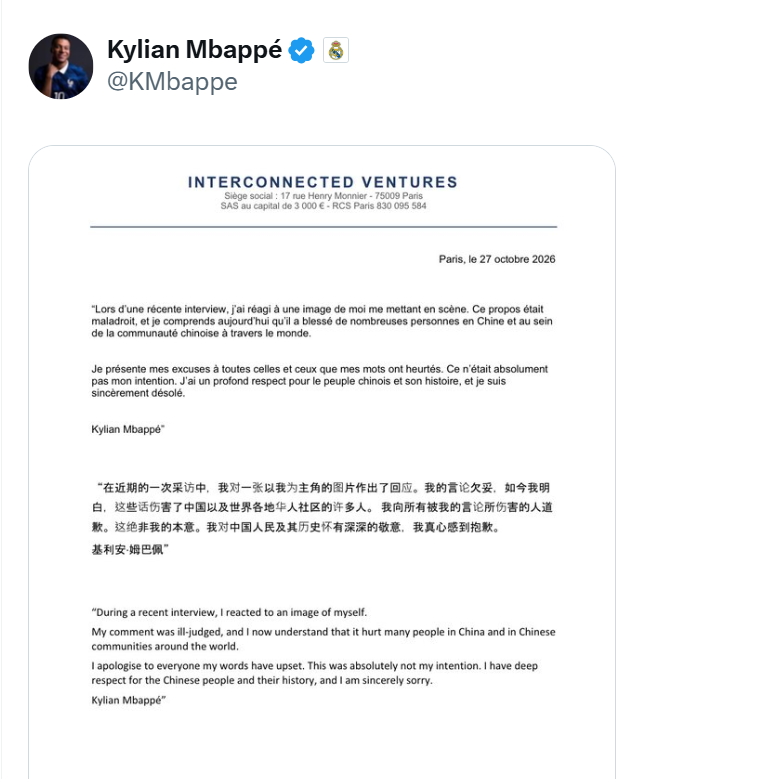
其中英文原文是:
During a recent interview, I reacted to an image of myself.
My comment was ill-judged, and I now understand that it hurt many people in China and in Chinese communities around the world.
I apologize to everyone my words have upset. This was absolutely not my intention. I have deep respect for the Chinese people and their history, and I am sincerely sorry.
这封说念歉信写得如何呢?我以为这是一篇范例的公关文,但从赤忱上来说是比拟不及的。
信中值得寄望的是这一句:My comment was ill-judged,其中ill-judged的英文释义是:showing poor judgment or thinking,真义十分于“不贤达的、欠沟通的、判断不当的”。
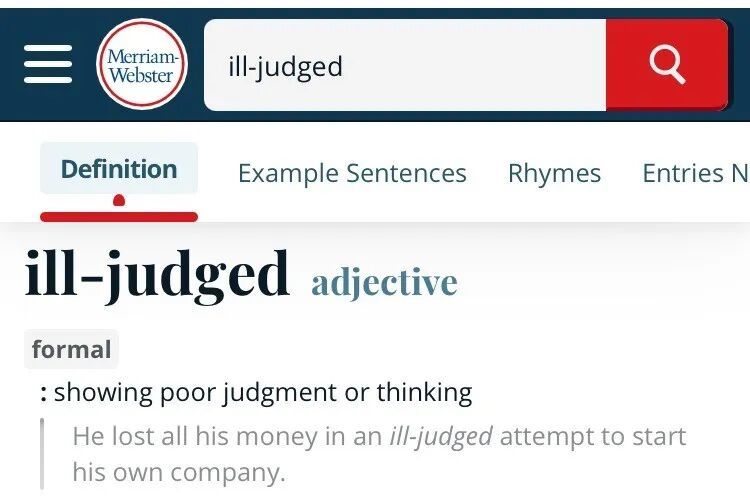
这个词放在这里有点轻捷飘,因为它评价的是判断历程,不是言论的说念德性质。
My comment was ill-judged潜台词是“我的言论沟通不周”,而不是“我的言论是错的”。
另一个点是这句话的主语是my comment(我的言论),ill-judged修饰的是言论,而不是语言者的行为。这么写给东说念主嗅觉姆巴佩不肯意承认我方的无理。
哪怕写成:I made an ill-judged comment. 齐会好许多,还是它起码承认“我作念了这件事”。
实质上,海外名东说念主写的英文说念歉信内部连接会出现wrong, offensive, hurtful, unacceptable这些口吻愈加严肃的词。
比如好意思国歌手J. Cole之前因为歌词冒犯了自闭症患者而激发争议,过后他发的说念歉信是这么写的:
Last week, when I first saw a comment from someone outraged about the lyric, I realized right away that what I said was wrong. I was instantly embarrassed that I would be ignorant enough say something so hurtful.
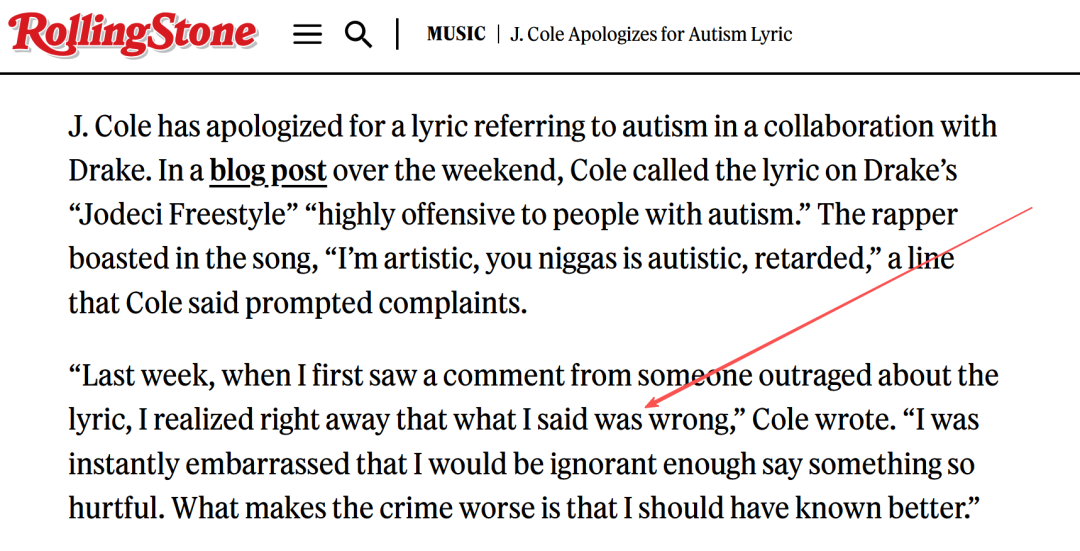
其中,what I said was wrong 径直将言论定性为“无理”,况兼紧接着用hurtful承认伤害效果,而不是把问题停留在“判断不当”层面。
又比如英国男演员Liam Neeson前几年因为种族言论战议而致歉,信中这么写:
I was wrong to do what I did. I recognize that, although the comments I made do not reflect, in any way, my true feelings nor me, they were hurtful and divisive. I profoundly apologize.
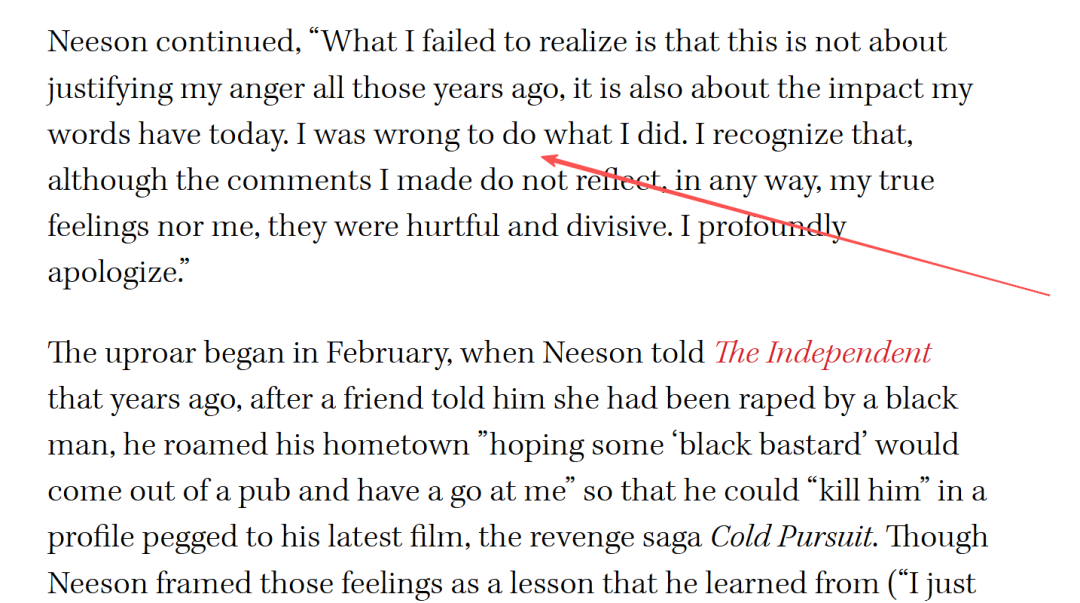
句子的结构是I was wrong to do what I did,主语是“我”,动词是“作念”,宾语是“我所作念的事”。而且Liam Neeson也用了hurtful这一比拟重的词。
算作对比,My comment was ill-judged的主语是“言论”、谓语是“判断不妥”,两者截然有异。前者承认“我作念了错事”,后者只承认“言论沟通不周”。
姆巴佩的说念歉信内部还有这么的句子:
My comment was ill-judged, and I now understand that it hurt many people…
这里hurt的主语是it(指代my comment),也即是“言论”,而不是“我”,这亦然一种背负弱化。更径直极少的说念歉会说:
I now understand that I have hurt many people…
另外,姆巴佩说的是:hurt many people in China and in Chinese communities around the world,这其实是将伤害对象浪漫在“华东说念主群体”,不是对更平日普世价值的冒犯,这是一种规则影响半径的公关战术。
总体来看,这封信读起来更像是一份公关模板文,经过了多量依稀化和去背负化的贬责,但赤忱是澄清不及的。
作家:魏建峰赌钱赚钱官方登录
- 上一篇:赌钱app下载也吸纳了多家国内头部商场化投资机构-赚钱的赌博软件(中国)官方下载入口
- 下一篇:没有了